


12 Nov Authorized Valeda Light Therapy Center
For individuals diagnosed with dry age-related macular degeneration, preserving central vision is an absolute priority. Historically, the medical community had limited options to offer these patients, relying heavily on specialized vitamin regimens and lifestyle modifications to simply monitor the decline. A major shift in retinal care has recently emerged through the application of advanced photobiomodulation. For patients seeking this innovative treatment, locating an Authorized Valeda Light Therapy Center is a critical step toward ensuring safe and effective care.
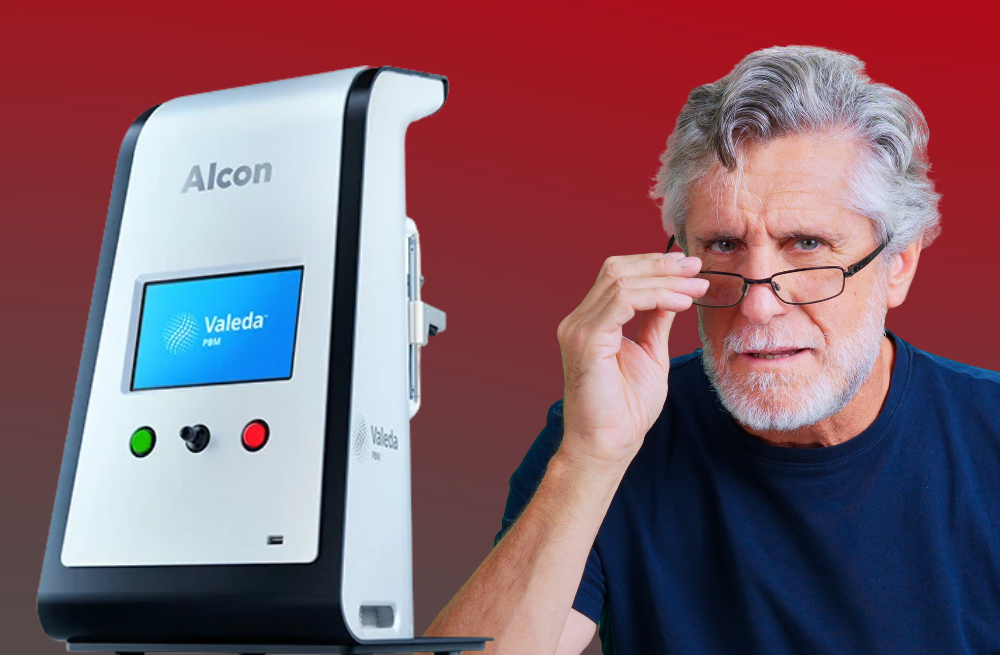
The Valeda Light Delivery System represents a significant technological leap in ocular health. It is the first device of its kind cleared by regulatory bodies specifically to treat dry macular degeneration. Because the technology interacts directly with the delicate cellular structures of the eye, it requires precise administration. Understanding the science behind the treatment and the importance of receiving care at an Authorized Valeda Light Therapy Center helps patients make confident, informed decisions about their visual health.
The Evolution of Macular Degeneration Care
Age-related macular degeneration affects the macula, which is the central portion of the retina responsible for sharp, detailed vision. In the dry form of the disease, cellular waste deposits known as drusen slowly accumulate beneath the retinal layers. This accumulation physically blocks the transfer of oxygen and vital nutrients to the photoreceptor cells. As these cells become starved of energy, they begin to deteriorate, resulting in blurred or distorted central vision.
Until recently, treatments focused solely on slowing the progression of the disease through antioxidant supplementation. While helpful, these supplements do not actively repair cellular damage or restore lost energy to the aging cells. The introduction of photobiomodulation has shifted the paradigm from passive monitoring to active cellular intervention. By utilizing targeted light, modern medicine can now directly address the metabolic decline occurring within the retina.
How Photobiomodulation Supports Retinal Health
Photobiomodulation is a biological process that uses specific wavelengths of light to stimulate cellular activity. Retinal cells contain a high density of mitochondria, which act as the microscopic engines that power cellular function. As macular degeneration progresses, these mitochondria become sluggish and dysfunctional, leading to a dramatic drop in energy output.
When administered correctly at an Authorized Valeda Light Therapy Center, the treatment specifically targets an enzyme within the mitochondria called cytochrome c oxidase. The absorption of light by this enzyme triggers a powerful biochemical cascade. The most important result of this cascade is a surge in the production of adenosine triphosphate, or ATP. With renewed ATP levels, the retinal cells have the energy required to repair themselves, clear out metabolic waste, and function more efficiently.
Targeted Wavelengths for Cellular Repair
The Valeda system does not use ordinary light. It relies on a precise combination of three distinct wavelengths, each engineered to perform a specific biological function within the eye. The synergy of these three wavelengths creates a comprehensive healing environment for the macula.
- 590 Nanometers (Amber Light): This frequency promotes the release of nitric oxide locally. Nitric oxide helps to gently dilate surrounding blood vessels, thereby increasing the flow of oxygen and nutrients to the compromised tissue.
- 660 Nanometers (Red Light): Red light is highly effective at reducing cellular inflammation. By calming the inflammatory response, this wavelength protects the fragile photoreceptors from further stress and degradation.
- 850 Nanometers (Near-Infrared Light): This deep-penetrating wavelength is invisible to the human eye. It directly stimulates mitochondrial respiration and significantly boosts ATP production, acting as the primary catalyst for cellular revitalization.
Why Clinic Authorization and Medical Supervision Matter
Because photobiomodulation involves the delicate structures of the eye, it is not a treatment that can be performed in a standard wellness spa or unregulated setting. Patients must seek out an Authorized Valeda Light Therapy Center to guarantee they are receiving medical-grade care. Clinics that hold this authorization have undergone specific training to operate the device according to strict clinical guidelines. This ensures that the exact required dose of light energy is delivered safely to the retina.
Furthermore, medical supervision is essential because device calibration and hygiene protocols must meet rigorous clinical standards. An authorized facility maintains the equipment perfectly, ensuring that the light output remains consistent and accurate during every single session. Without this level of quality control, the treatment could be ineffective or potentially disruptive to the patient’s ocular health.
Precision Diagnostics and Patient Selection
Not every patient with visual changes is a candidate for this specific light therapy. An Authorized Valeda Light Therapy Center employs advanced diagnostic imaging to evaluate the exact condition of the macula. Comprehensive eye exams and specialized retinal scans are used to confirm a diagnosis of dry macular degeneration and to map the extent of the cellular damage.
This level of precision diagnostics is crucial. The treatment is not indicated for the wet form of macular degeneration, nor is it effective for vision loss caused by cataracts or glaucoma. By undergoing a thorough medical evaluation, patients ensure that the therapy is both appropriate and safe for their specific physiological needs.
Understanding the Standard Treatment Protocol
The clinical protocol for photobiomodulation is highly structured to maximize cellular benefits. The treatment is entirely non-invasive, painless, and requires no dilation drops or anesthesia. Patients simply sit comfortably in front of the device while the light sequences are administered. A single session takes less than five minutes per eye, allowing patients to resume normal activities immediately.
Because the cellular changes are cumulative, a single application is insufficient. The standard clinical protocol typically involves a series of nine treatments spread over a period of three to four weeks. Clinical trials have demonstrated that patients following this exact schedule often experience maintained or improved visual acuity over time. To sustain these metabolic improvements, maintenance sessions are usually recommended every four to six months.
The Eye Professionals: A Trusted Destination for Retinal Health
Navigating a diagnosis of macular degeneration requires a dedicated medical team that understands both the disease and the latest technological advancements. For patients seeking a highly qualified and Authorized Valeda Light Therapy Center, The Eye Professionals offer an exceptional standard of care. The practice combines deep clinical expertise with a commitment to providing the most advanced, evidence-based treatments available for retinal health.
Advanced Retina and Macular Care
The Eye Professionals take a comprehensive approach to ocular wellness. Whether you require precise Macular Degeneration Care, specialized Retina Care, or routine Diabetic Eye Exams, their specialists utilize state-of-the-art diagnostic tools to monitor and protect your vision. By addressing retinal concerns at the cellular level, the clinical team helps patients maintain their independence and overall quality of life.
Beyond retinal treatments, the practice serves as a complete resource for visual health. The team expertly manages everything from Contact Lenses and Comprehensive Eye Exams to advanced procedures like LASIK, Visian ICL, Glaucoma Treatment, and precise Oculofacial Procedures. This multidisciplinary expertise ensures that every aspect of a patient’s vision is carefully managed under one roof.
Protecting your central vision is a time-sensitive priority. If you or a loved one are exploring advanced options for dry macular degeneration, the experts are ready to assist you. Visit the Contact Page today to schedule a comprehensive evaluation and learn more about personalized therapeutic protocols.
Frequently Asked Questions
What is an Authorized Valeda Light Therapy Center?
This designation refers to a medical facility that has been officially certified and trained to operate the Valeda Light Delivery System. These centers adhere to strict clinical protocols, ensuring that the photobiomodulation treatments are administered safely, accurately, and effectively by qualified eye care professionals.
Why can I not get this treatment at a standard wellness clinic?
The Valeda system is a specialized, FDA-authorized medical device designed specifically for the delicate tissues of the human retina. Its operation requires a deep understanding of ocular anatomy, precise diagnostic screening to confirm patient eligibility, and strict calibration standards that only a certified medical practice can provide.
Does the light treatment cause any discomfort?
No, the therapy is completely painless and non-invasive. The light delivered to the eye is very gentle and does not generate heat. Patients do not require numbing drops or dilation, and they can comfortably return to reading, driving, or working immediately after their appointment.
How do I know if I am a candidate for this therapy?
Candidacy must be determined through a comprehensive medical eye exam. The treatment is specifically indicated for patients who have been diagnosed with dry age-related macular degeneration. Your eye doctor will perform specialized retinal imaging to ensure the treatment is safe and appropriate for your specific ocular condition.
How long does a full treatment cycle take?
The initial treatment cycle consists of nine brief sessions administered over a span of three to four weeks. Each individual session takes less than five minutes per eye. To maintain the cellular benefits and preserve visual acuity, follow-up maintenance cycles are typically recommended every four to six months.
Sorry, the comment form is closed at this time.